Gamvorodex
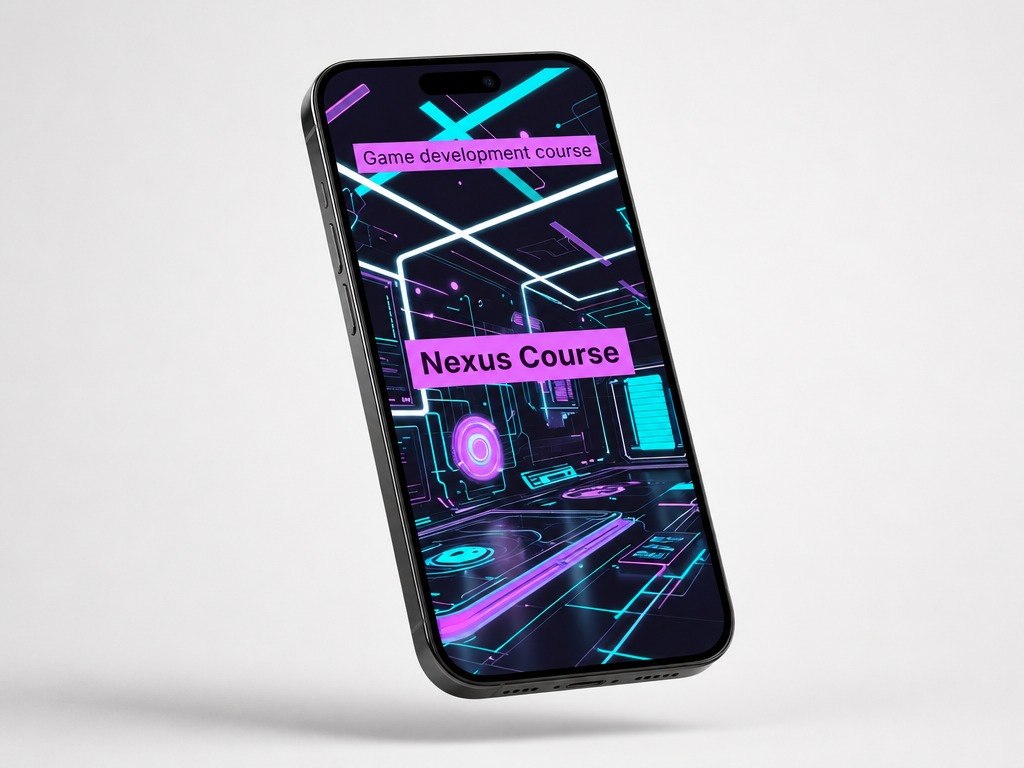
Nexus Course
Nexus Course
- 📁 Digital file available after purchase
- 🗂️ Long-term availability
- 🔐 Secure checkout
- 📝 Content updated in 2026
Self-paced learning overview
1. Problem Statement
When a learner already has several game ideas, the next challenge is often the connection between them. A character may be described separately, a level separately, and a mechanic separately, but together they may not yet work as one structure. Because of this, a learning concept can feel uneven: some parts are detailed while others remain unclear. It can also be difficult to understand how game events should respond to player actions. Nexus Course helps organize these connections and create a more complete model of a game idea.
2. Solution
This plan focuses on how different game elements interact with each other. The learner reviews the connection between rules, space, character, actions, and outcomes inside the game world. The materials help create a learning scheme where each element has a clear role. The course includes tasks for building an interaction map, describing a game situation, and analyzing events. This format suits learners who want to move from separate ideas to a more complete learning structure.
3. What's Inside
- Module 1: Connection Map — learners will understand how to show links between character, space, goals, and game rules.
- Module 2: Action and Response — learners will review how player actions can change a situation inside the game world.
- Module 3: Event Chain Design — learners will learn how to build an event sequence where each stage connects logically with the previous one.
- Module 4: Character Role Grid — learners will see how a character’s role shapes mechanics, tasks, and the overall mood of the project.
- Module 5: Space Interaction Plan — learners will prepare a space scheme where objects, obstacles, and routes have a learning explanation.
- Module 6: Rule Balance Notes — learners will review how rules can stay clear, consistent, and suitable for the chosen idea.
- Module 7: System Review Sheet — learners will collect a short review of their learning system and check the links between its parts.
4. Who is this for?
✅ A good fit if you:
- already have a basic game idea or several learning concepts;
- want to better understand the connection between mechanics, characters, and space;
- are interested in how events are built inside a game world;
- want to create an interaction map for your own concept;
- enjoy working with schemes, logic, and sequence.
❌ Not for you if:
- you want to work only with visual style without reviewing rules;
- you do not plan to describe links between parts of a game idea;
- you are looking for a course with only short theory notes;
- you do not want to complete tasks involving schemes and structure;
- you expect a ready-made game template without your own learning work.
5. What You'll Learn
- how to create a connection map between the main parts of a game;
- how to describe player action and game world response;
- how to build a logical sequence of events;
- how to explain a character’s role within rules and space;
- how to create a scheme for interaction with objects and obstacles;
- how to analyze whether rules support the general idea;
- how to prepare a short review of a game learning system;
- how to find weak points in the connections between concept elements.
6. Purchase Terms
Nexus Course includes a 30-day request period for payment return according to the store rules. A request can be submitted through the contact form or email with order details. The team reviews the request based on purchase status, material type, and request handling rules.
Couldn't load pickup availability
How are the Gamvorodex plans different?
How are the Gamvorodex plans different?
Each plan has its own scope of topics, materials, and learning modules. Entry plans introduce the basic ideas of game development, while higher plans gradually add more practice, structure, and creative tasks. This helps learners choose a format that fits their current level and learning goals.
Do I need previous experience in game creation?
Do I need previous experience in game creation?
Previous experience is not required for the starter plans. The materials are organized so learners can gradually understand core terms, concepts, and the logic behind game creation. For higher plans, it may be useful to already understand the basics of digital creativity.
Share